
On Being Haunted.
A Reflection of Hauntology and an amazing Filipino Song

These days, I have been haunted by a Filipino song that has hit the charts on my Spotify. It was entitled ‘Multo’ by Cup of Joe. I first heard the music when I was scrolling through my TikTok feed until a spree of edits of anime, games or even photographical images of Manila with the music blasting on my speakers. It got stuck to my head with the beat and the lyrics that I just had to put the song on my liked songs. It felt a surge of pain of nostalgia that could. Be it an ex-lover, parent, friend or not even a person but a place or idea perhaps.
But how does that work? How does someone that ceased to exist could still exist in the realm of the present? However, perhaps a certain French Algerian philosopher could explain this odd phenomena that we humans experience.
***
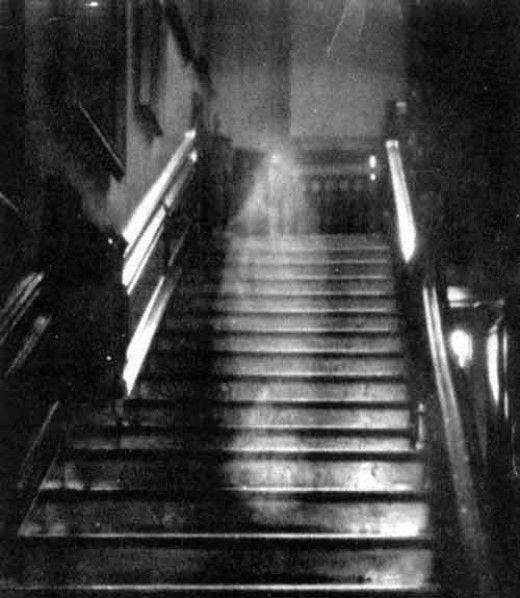
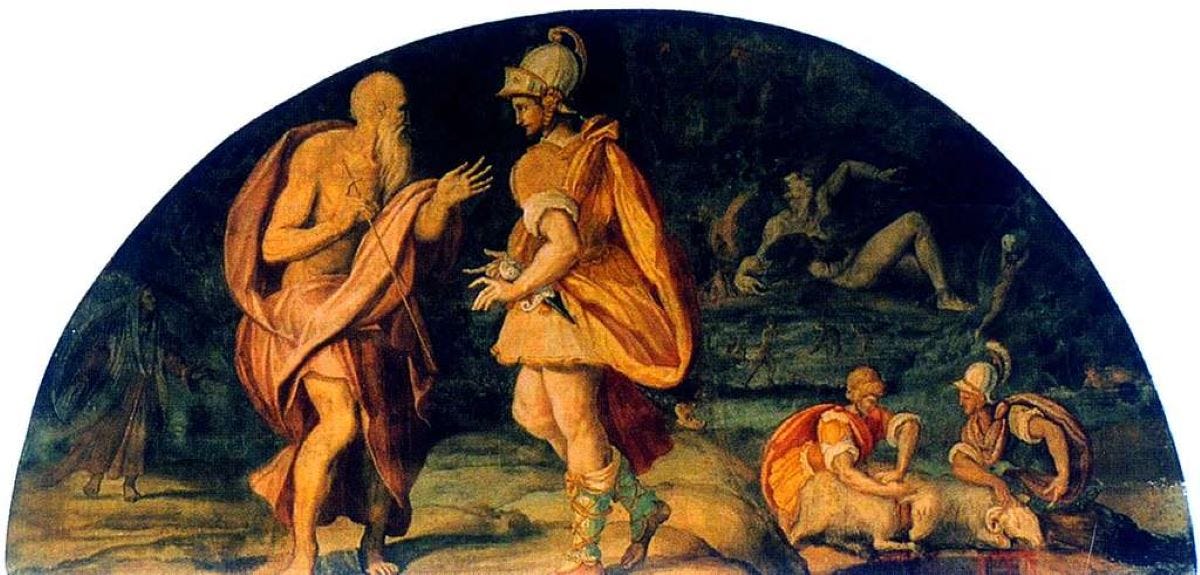
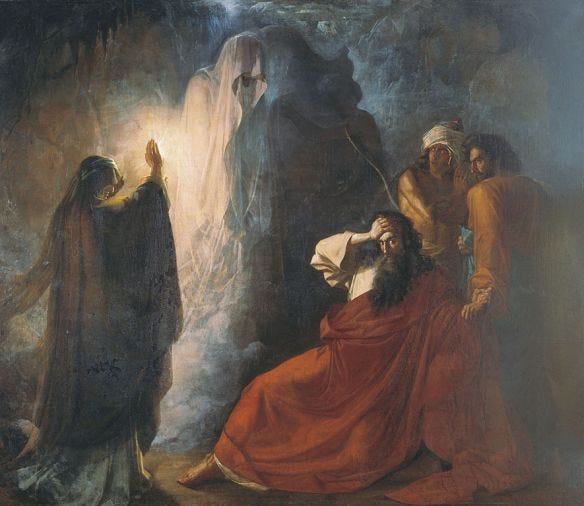
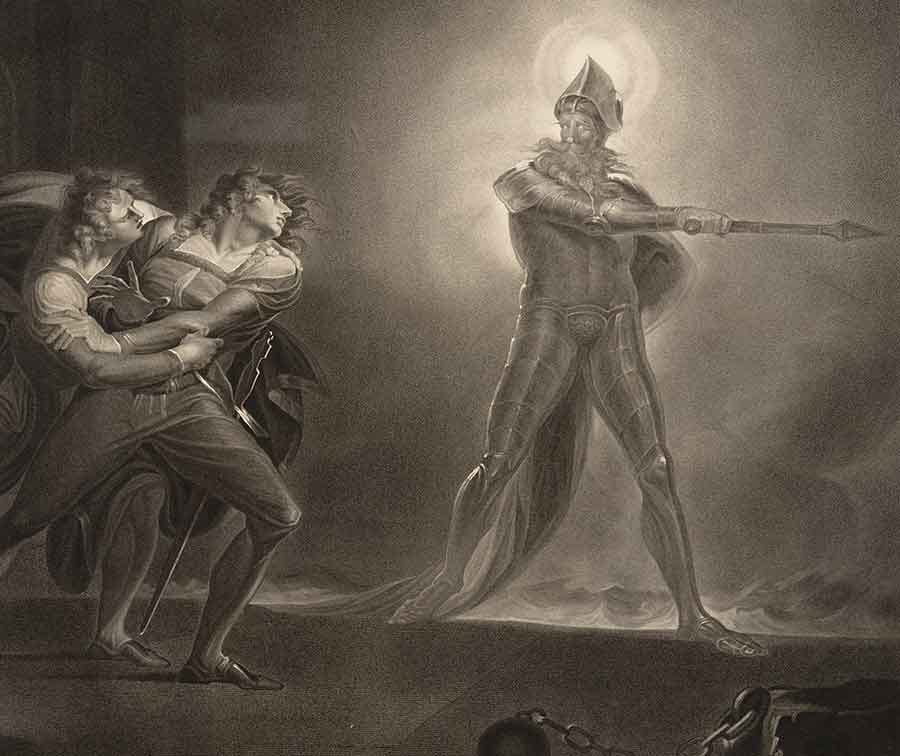
Accounts of ghostly encounters are heavily present in ancient history and literature. Homer's Odyssey features the cunning hero Odysseus journeying the depths of the underworld and encountering the ghosts of the dead to reach Tiresias. Old Testament narrative of the Hebrew Bible feature a ghost story on 1 Samuel 28:3-25, where the Witch of Endor summons the spirit of the prophet Samuel who delivers a prophecy of doom towards Saul. Even in more modern literature especially by works by Shakespeare: Hamlet and Macbeth, feature respectively, the ghost of Hamlet's father who requests the titular character to seek revenge against those who murdered him and for Macbeth who is haunted by the ghost of his friend Banquo whom he murdered.
The feeling of hauntings are heavily described by our ancestors and these uneasy sensations for a being who shouldn't belong in the present decides to make their presence known to the person and gives a mental effect of madness to someone. Though these tales only tell of persons but what if ideas could haunt a person, or society itself?
“a spectre is haunting Europe—the spectre of communism.”
That is the opening line from Karl Marx's Communist Manifesto. The idea of communism was haunting the economic market and political environment of capitalist Europe. It was not a prominent idea at the time but a life that was lived in a communist utopia was not experienced by the people of the time hence why the continent is haunted by such an idea. A life of equality and no worker exploitation by the bourgeoisie.
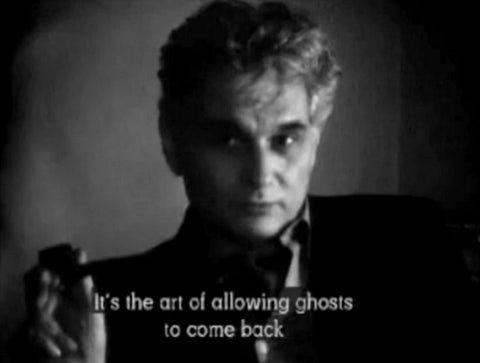
From those wordings, the philosopher Jacques Derrida introduced the concept of hauntology (a combination of haunting and ontology, the study of being). It is a difficult concept to easily define as the work where it is first mentioned Spectres of Marx, only feature the word thrice but for him the present is not just a product by a series of linear past events but it is ‘haunted’ by both the future and the past. These beings that never came to exist and only remain as lost futures or alternative presents continue to exist and shape society's behavior, history, and culture.
Later on in the new millennia of 2000, hauntology is taken up into the realm of music wherein it reflects how society cannot seem to escape old societal norms and retro themes. The song Multo itself gives a vibe of being a brief retro beat with the synth as one of the starting music, fitting for the theme of nostalgia. And within the very music the singer of it is haunted by a figure of someone that has left them and will visualize a lost future that they both could never experience. A cruel torture of nostalgia.
To be haunted by a loved one is a cruel psychological torture rational beings can only experience. Let us take for instance an example wherein you were handed a paper rose by someone who you admire greatly, maybe you are both dating, engaged or even better married! Yet fate can be cruel at times as either break off a relationship with you due to complications, they die unexpectedly from an illness, or worse an accident by the road. The trinket of the rose becomes a representative and only connection you have to the other who you have lost and becomes the elementary hauntological object wherein the lost future of the loved one uses as a conduit to keep persisting its very existence to the present.
The past never dies, it always keeps on persisting to exist. It fights for it and it constructs how the present will be acted upon or how beings will react and change. For one to weep over a lost love over a break-up, natural death, or accidental death it seeps into the present of the person. Yet it's okay to be feeling like this. How one ought to react in the scenario whether to seek a positive change within one's behavior or self-destruct themselves by continuing to live on in the past and unlived life is the conflict our ‘multo’ gives to us.